
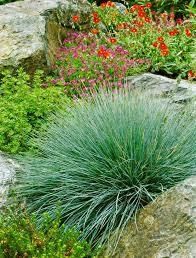
Blue Fescue
(Festuca Glauca)
(Festuca Glauca)
Blue Fescue is a compact ornamental grass with fine, spiky blue-gray foliage that forms neat mounds. Native to Europe, it thrives in full sun and well-drained soil and is drought-tolerant once established. In early summer, it produces airy flower spikes that turn tan with age. Blue fescue is used in borders, rock gardens, and edging for its color contrast and tidy form. It’s ideal for low-maintenance plantings.
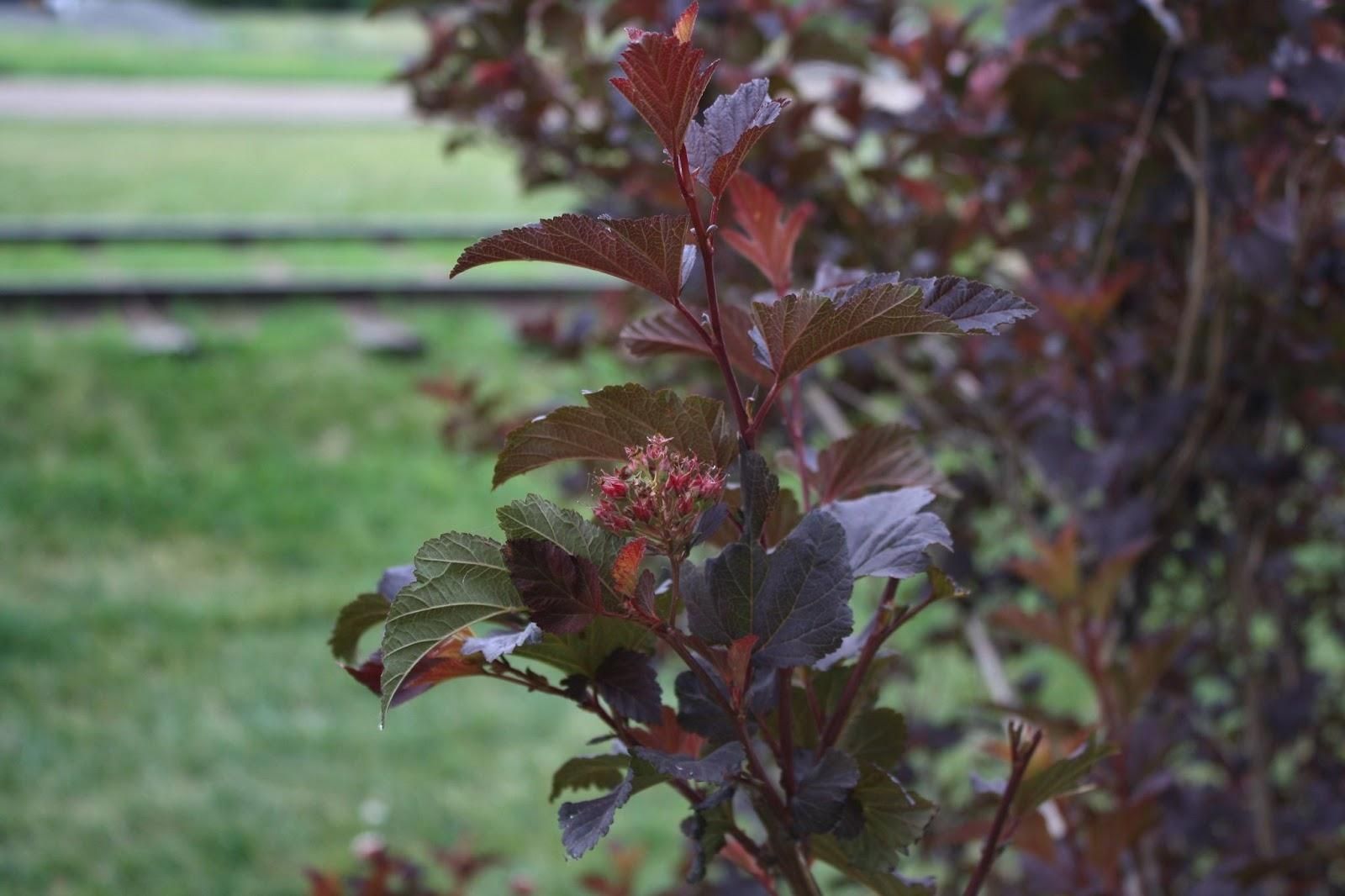
Ninebark
(Physocarpus Opulifolius)
(Physocarpus Opulifolius)
Ninebark is a tough, deciduous shrub native to North America. It features peeling bark, hence the name, and comes in varieties with green, burgundy, or golden foliage. Clusters of small white or pink flowers bloom in late spring, followed by red seed capsules. Ninebark thrives in full sun to partial shade and tolerates a wide range of soils. Used as a hedge or specimen plant, it is also valued for erosion control and wildlife support.
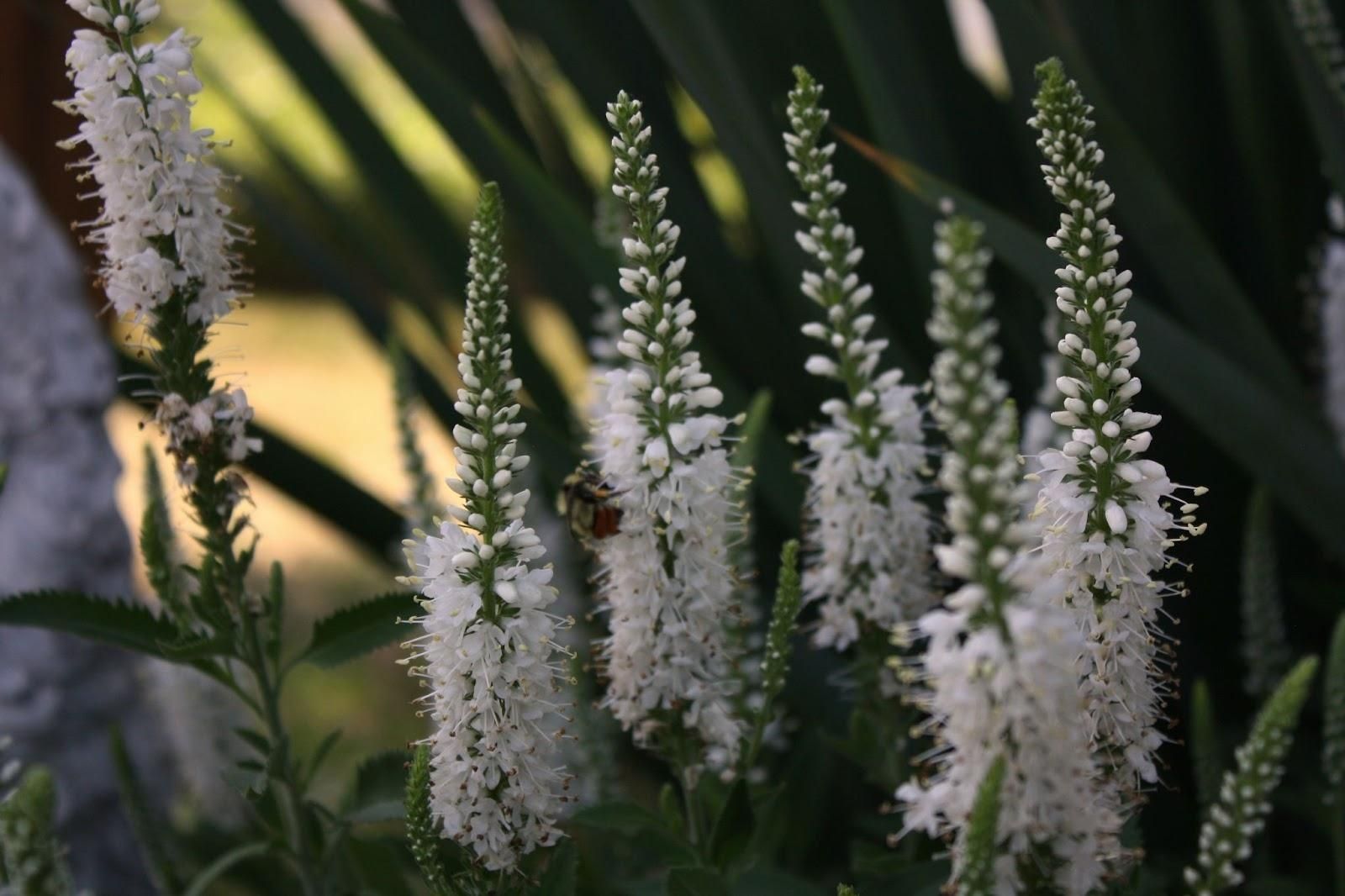
Obedient Plant
(Physostegia Virginiana)
(Physostegia Virginiana)
Obedient Plant is a native North American perennial with tall spikes of tubular pink or white flowers that bloom from mid-summer to fall. The flowers can be pushed and stay in place—hence the name. It grows best in full sun and moist, well-drained soil but can tolerate some shade. Often used in rain gardens, borders, and native plantings, it attracts hummingbirds and pollinators but may spread aggressively in rich soil.
Siberian Iris
(Iris Sbirica)
(Iris Sbirica)
Siberian Iris is a hardy perennial with slender, grass-like foliage and delicate blooms in shades of blue, purple, white, or yellow. Native to Europe and Central Asia, it blooms in late spring to early summer and prefers full sun to light shade and moist, well-drained soil. Siberian irises are lower-maintenance than bearded types and are used in borders, wetland edges, and naturalized plantings. They are deer-resistant and excellent for cut flowers.